AI Findability · For caterers, restaurants, pubs and venues
I put the twelve questions a customer asks before booking to ChatGPT, Gemini, Perplexity and Bing, about my own business, The Gipsy Hill Smokehouse. ChatGPT named us first for a hog roast in south London. Then it got the price wrong.
The Short Version
This is AI visibility for local businesses that live on bookings: caterers, restaurants, pubs and venues. Your customers don’t only search for you now. They ask. Who can cater a garden party near me? Can you take twelve for Sunday lunch? Do you do vegan? How far ahead do I need to book? The assistant reads what it can find and answers in a sentence.
If your website doesn’t say it, the assistant fills the gap. From a listing. From an old page. From the business down the road that does say it.
I found that out on my own business first.
The Gipsy Hill Smokehouse, 20 November 2026
The Gipsy Hill Smokehouse is my hog roast and barbecue catering business in south London. On 20 November I asked the assistants about it, the way a customer would.
Who are you? Can you do my garden party? What will a hog roast for eighty cost? What does a wedding cost a head? What’s your minimum? Where do you cover? How do I book, and what’s the deposit? How far ahead for a June wedding? When can I phone? Can you do halal and vegan? What’s included? Who would you recommend for a company barbecue? Not one of them is “best caterer near me”.
An answer that found us and got it right scores 1. A partial answer, or one with a wrong detail, scores half. Not found, or not named, scores 0. Shown out of 100. ChatGPT, Gemini and Bing were asked signed out. Perplexity was asked signed in, and stopped answering after ten. Bing showed a Copilot answer on 6 of the 12; the rest were scored from its search results. I asked them on the afternoon my changes went live, and most answers still read the old pages.
Asked what a hog roast for eighty would cost, ChatGPT named us first. Then it took a per-head figure from a third-party listing and multiplied it by eighty. The total was wrong.
Bing was still showing pages from our old web address, with an old price on them. Those pages redirect to the new site, but Bing hadn’t read them again. ChatGPT gave the same old price in another answer.
Not one assistant found our minimum numbers, how far ahead to book, or our phone hours spelled out on our own website. So they guessed or went elsewhere. One took our phone hours from a review site. One guessed office hours. One guessed our deposit and got it wrong. And the wedding price question went to the caterers who publish their packages. We didn’t publish ours then.
All four knew who we are. Ask ChatGPT about a hog roast for a garden party in Crystal Palace and it names us first. Three of the four had our deposit right.
I started with my own site. A prices and booking page, with starting prices, the minimums, how far ahead to book, the deposit and the phone hours. The different ways the site described where we cook, replaced with one sentence. In the code assistants read, called structured data, the same area everywhere, and our old trading name, Roast Hog, linked to the new one, because older reviews still use it. Next: the listings, and asking Bing to read the old pages again. Then the same twelve questions, asked again.
The Work
Three parts: the check, the fix, and keeping it right.
I ask ChatGPT, Gemini, Perplexity and Bing the questions your customers ask before they book, about your business. You get every answer, a score for each, where the wrong answers came from, and the fixes in order. We go through it together.
I put it right where the assistants look. Your own site first: the answers your customers want, said plainly, and the structured data assistants read. Then your listings, Google Business Profile included, so they all say the same thing. Your ChatGPT profile, where OpenAI offers it. And asking the search engines to read your old pages again. Then the same questions, asked again, and you see the before and the after.
Menus change. Prices change. Each month the questions get asked again, and anything that’s drifted gets put back.
What it costs depends on the business. Email me and I’ll tell you.
ChatGPT Business Hub
ChatGPT now lets a business claim its own profile, in a part of ChatGPT called Business Hub. You show OpenAI the business is yours, OpenAI approves it, and then you can keep your details up to date and see how often ChatGPT mentions you.
It isn’t open to everyone. OpenAI’s help page says availability depends on the business’s location and type, and that “Local stores and restaurants can currently claim only an existing U.S. listing.” So a caterer, restaurant, pub or venue here may not be able to claim one yet.
And claiming isn’t a shortcut. In OpenAI’s words, it “doesn’t guarantee increased visibility”, and ChatGPT can still answer from other places.
So getting your business on ChatGPT starts where it always has: your own site and your listings, saying the right thing. Where the profile is open to your business, claiming and checking it is part of the fix. The claim is made by you, or someone you authorise, as OpenAI asks. I check what it says.
Why Me
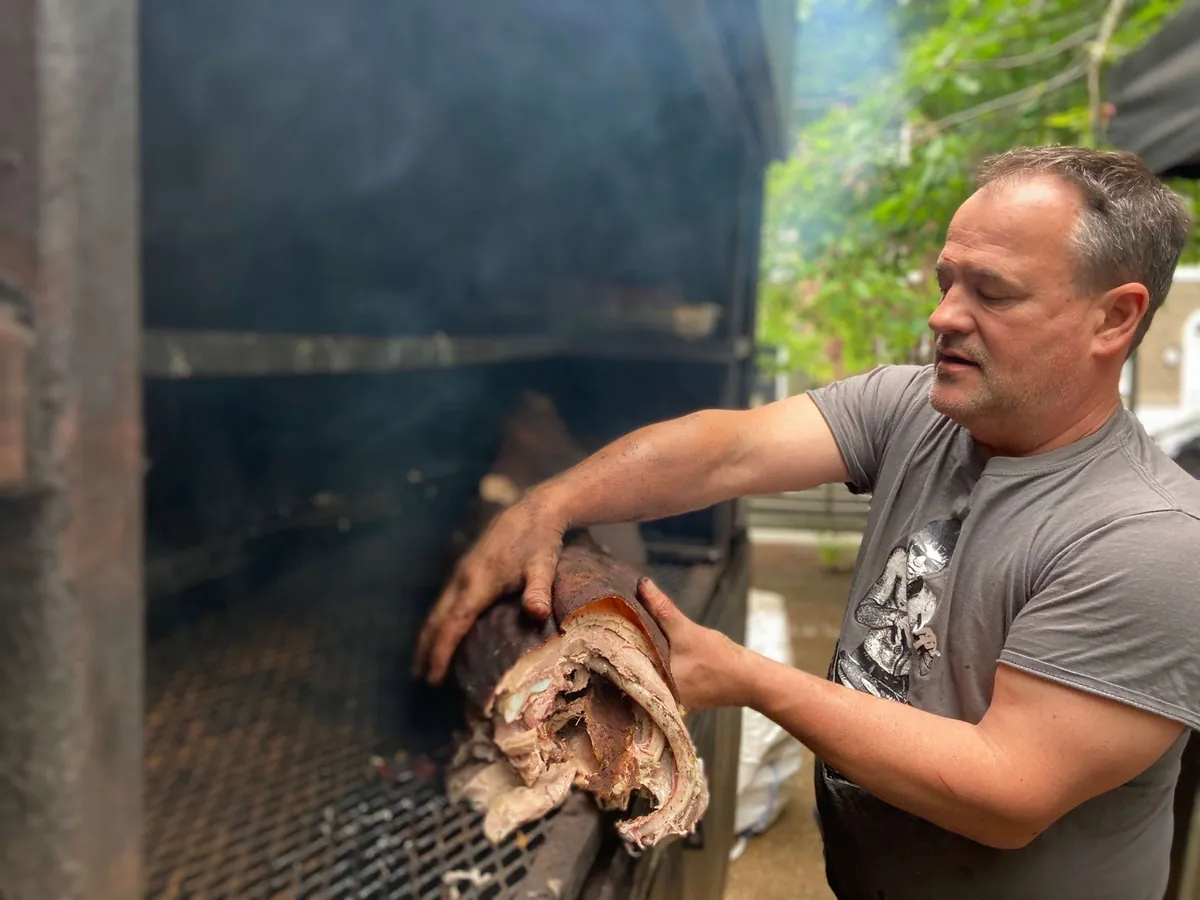
I run a hospitality business. I did this on my own business, with my own numbers, before asking anyone else to pay for it. The questions in the check are the ones my customers ask before they book.
Questions
AI Findability is my name for AI visibility done properly: whether ChatGPT and the other assistants can find the facts about your business and get them right. When someone asks who can cater their party, what it costs or how to book, the answer comes from whatever the assistant can find. If your site doesn’t say it, something else will.
Ask the assistants what your customers ask, signed out, and read what comes back. Start tonight: ask ChatGPT what you charge and how far ahead people need to book. If you’d rather I did it, with every answer scored and every wrong one traced, that’s the AI visibility check.
No. No one can guarantee it, and you should be wary of anyone who does. OpenAI says even claiming your profile doesn’t guarantee it. What I can do is make sure that when an assistant looks, it finds the right facts.
ChatGPT, Gemini, Perplexity and Bing. Bing doesn’t show a Copilot answer for every question; where it doesn’t, I score its search results. I ask signed out, so the answers aren’t shaped by anyone’s account, and I say so where I can’t.
Yes. It’s the same work for all four: SEO aimed at a new reader, an assistant that answers in a sentence instead of handing over a list of links.
No. The changes go on the site you already have.
What Happens Next
Email me with your business name and your website, and I’ll tell you how the check would work for you. If you’d rather talk, book thirty minutes.